
MasterclassesPodcasts

Experience-led change management: CX Mini Masterclass – E44

By July 11, 2019 June 2nd, 2026 No Comments
This CX Mini Masterclass explains the role of change management in customer-centric business transformation, and why CX practitioners need to hone their skills in this competency. Special guest and CX thought leader Diane Magers provides an overview of change management and some of the most popular frameworks. Julia shares her plans for future topics and more guest experts.


Diane has been part of the CX movement since the get-go. She was one of the founding members of the CXPA, and served for 3 years as the association’s interim CEO. After guiding the association through a critical time in its evolution, she announced that she would be moving on to focus on her CX advisory practice, Experience Catalysts. Leveraging expertise gained through holding senior CX roles at blue chip organizations such at AT&T and Sysco Foods, she helps organizations realize customer-centric transformation. To learn more about Diane’s work as an expert business advisor, speaker and facilitator, connect with her via LinkedIn.
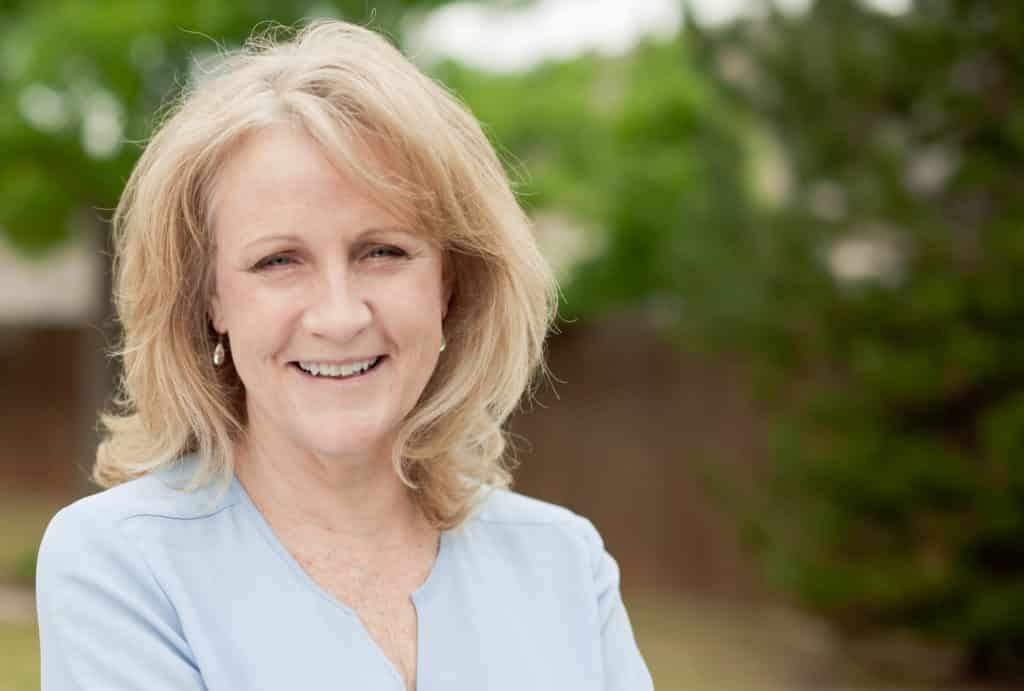
 

Diane Magers CCXP


CX is change management

Organizations are ill equipped and unprepared to make the changes needed for customer-centric transformation to be successful. For established businesses, the scale of change is massive. Diane speaks about this as a “level 3” change, which is more akin to transformation than a simple process change (aka “level 1”). CX professionals need to be thinking about the intention and planning of CX initiatives, as well as the bigger picture of sustaining change to core structures within the operating model.

Within this context, CX professional must become adept at change management, but this is a new discipline for many. The good news is that change management is an established field of work and there are many models that CX professionals can call on.

Diane shared a few of these change management models with listeners:

  • Kurt Lewin’s model – This approach suggests change through specific phases involving, “unfreezing”, changing and then “re-freezing”
  • John Kotter’s model – This popular approach involves 8 steps to change, starting with creating a sense of urgency and ending with instituting change
  • Prosci’s ADKAR model – This approach includes 5 steps for facilitating change: awareness, desire, knowledge, ability and reinforcement
  • Elisabeth Kubler-Ross’ model – Best known for her work on death and dying, Kuber-Ross’ approach can also be applied to how we understand the emotional response to change

Diane stresses that regardless of which model you chose to use, just be sure to have a plan. Focus on the “why” and accept that change needs to be intentionally managed or it won’t stick. Change plans should be living. As organizations evolve, the change plans should also adapt.


Transcript

Prefer to read? Here’s the transcript.

Click to expand full transcript

Welcome to Decoding the Customer, a podcast about customer experience and how to realize customer-centric change in today’s dynamic business world. I’m Julia Ahlfeldt, certified customer experience professional, business advisor, and host of this program. Thanks so much for tuning in. If you’re new to the show, welcome.

If you’re a returning listener, thanks, and it’s great to have you back. This episode is part of my CX Mini Masterclass series here on Decoding the Customer. These weekly episodes are published each Thursday and designed to be punchy, bite-size overviews of key customer experience concepts and ideas for how you can help your organization thrive through customer centricity. Whether you’re new to the field of customer experience, are preparing for the CCXP exam, or are a seasoned professional looking to brush up on a few basics, this series will help you improve your knowledge, skills, and performance to stand out as a CX professional.

This is episode 44, and today I have a real treat for you. Earlier this year, I debuted mini masterclasses presented by guest experts, and I’m excited to share that this will become a more regular feature here on the program, with insights from some of the world’s top CX thought leaders headed your way in coming episodes. Today, I’m delighted to share a mini masterclass courtesy of Diane Magers. Some of you may know Diane from her role as CEO of the CXPA.

She was at the helm of our industry’s Global Professional Association for three years, guiding the association through an important time in our profession’s evolution. In May, she announced that she would be moving on and focusing on her practice as an expert practitioner and business advisor. Her transition comes at an important inflection point in customer experience management, a time when we need seasoned experts to help organizations transition from talk in the talk to walk in the walk. As more and more organizations embrace the strategic imperative of customer centricity, the next challenge is how to realize CX transformation.

And that’s just what Diane is going to share with us today. The concept of experience-led change and how CX professionals can tap into change management methodologies to drive transformation. If you’re wondering how change management can help you become a more impactful CX professional, then this episode is for you. If you happen to be out for a walk, cooking dinner, or driving to work, and here’s something that you’d like to remember later, don’t worry about writing it down.

You can find an overview of the key concepts that we’ve covered today in the show notes for this episode, which are on my website, juliaahlfeldt.com or decodingthecustomer.com. I’ll also include links to find out more about Diane’s work and how you can get in touch with her. So with that, I’ll let Diane take it away. Hello, everyone.

This is Diane Magers, CXP with Experience Catalysts. It’s my pleasure to join you today to talk a little bit about experience-led change. Customer experience and employee experience have been catalysts for changing the way organizations work. We as CX professionals often go into an organization and are asked to make a lot of things happen, whether we’re collecting voice of customer, gathering insights, redesigning experiences, helping to move the culture.

I think organizations are ill-equipped and unprepared for the amount of change that needs to happen in order to make experience-led transformation successful. I often really joke that it’s not really a chief customer officer, but a chief change officer position. And here’s why. The challenge is that everybody in an organization is being asked in today’s world to respond fast to a lot of initiatives.

Everything’s a priority. They have to understand a new direction, learn new processes, learn new ways of communicating, accept different jobs, learn new tools, keep the business operating, and don’t disrupt the flow of revenue and profits, and accelerate the performance of the company. That’s a lot to ask of an association or a brand. So what are the elements that we need to be thinking about when we think about leading customer transformation?

It’s thinking about intention and planning. Do we have the right priorities, incentives, empowerment, skill sets, training, communication, and mindset to quote-unquote do the right thing for our customers and employees? Secondly, do we have the ability to execute? Does the company have the proper governance, systems, process, technology, and access to data to effectively engage with customers and employees?

And the most important part, what we’re talking about today is this comprehensive orchestrated change management. Can we build and sustain complex multi-level changes to core structures, employees get focus and ensure the power is there and ensure that experience leads in our organization? One way to think about this is if you think about the scope of change, we’re really in what we call a level three change. Level one is kind of that single function change, limited process or policy changes, kind of minor changes to the way we work.

They’re pretty consistent with the culture and really change leadership isn’t required. They can be initiated with just communicating what’s happening. This might be a simple policy change or a change to an application or a change to some content. Level two is kind of cross-functional change, change in reporting relationships and org structure.

Processes are significantly changing, maybe even the tools that people are using. Sometimes it includes performance standards. It changes the way people work. It challenges the culture to some extent and can be blocked by culture forces, kind of the way we’ve always done thing around here.

It does require active leader commitment and involvement. And then the more increasingly challenging level three change, which is what most experienced professionals don’t recognize as they come into this profession, is a change across large complex organizations, sometimes multi-country, definitely new organizational structures, how they work, whether that’s cross-team collaboration or more agility. There are multi-dimensional processes, tools, policies, metrics, sometimes new architecture. It’s fundamentally changing performance standards.

New behaviors are required. New capabilities are required. New skill sets are required. Change requires a different radical culture to succeed.

It challenges people’s willingness to change, and it really requires core change leadership as a fundamental requirement for successful transformation. That’s where experienced professionals really have to shine, is understanding that it’s a level three change. And what you need to do around that. Let’s talk briefly before we talk about some examples of models and frameworks.

Change management is really a basic set of tools and structures to keep change efforts under control. It must be driven by change leaders, and it’s usually kind of these small changes that contribute to the larger picture. Change leadership is really what experienced professionals need to develop. It’s a new muscle for us.

The ability to harness the power of people, visions, processes, and really responsible large-scale sustainable transformation in the way the business works, how they think, how they make decisions. Change leadership will direct organizations to new destinations, mobilizing resources which facilitate change. This puts an engine on the whole process, inspiring stakeholders to really embrace the change and make things happen. So how do we think about our being catalysts for our organization, to reorient our culture, to become more experience-centric?

There’s lots of things in our toolbox, education, customer intelligence and sharing that information, teaching experience design, engaging employees in how they can contribute to the new future vision, having them be a part of it, getting technology to take care of a lot of the mundane things so that people can focus on how and where they’re headed, taking those obstacles off their plate so that they can see the future and act toward it, recruiting people to contribute to the organization and the change, reward systems, new capabilities. There’s a lot of things that you can put in your toolbox to help things really change along. Now, along with that toolbox, it’s important also to have a model. You might use Kurt Lewin, L-E-W-I-N, three-phase model of freezing, unfreezing and change and how those three pieces fit together.

Also popular is Kotter’s eight-step model. This is about how you create a climate for change, how you engage and enable the organization and implement and sustain change. So read up on Kotter’s eight-step model. It’s a great way to think about as you tackle each of those to put things in place.

I’ll give you an example, increasing urgency. One of the techniques that I love to use with executives is painting what I call a what-if scenario. So what if we don’t change this experience? What’s the financial impact of that change?

Or if you think about really embedding change and empowering action, what if you took existing processes in your organization, like your project management forms or your business case, and just embedded experience into that, putting things in place that are already there in your organization, you’re just adding a little bit of different flavor to them. So these are just small incremental things that you can do if you think about how that’s a component of change. There is also an ADKAR model. This is Awareness, Desire, Knowledge, Action, and Reinforcement, ADKAR.

It’s really a great way to think about, as you take people on a journey of how they become aware, how do you help them understand why it’s important, giving them the knowledge, telling them what the action is, helping them define what it is, and then giving them reinforcement. If you think about the process, it’s really a good way to make sure people understand where you’re headed and why you’re headed there. There’s also Kubler-Ross. Some of you might know Kubler-Ross from her work in Death and Dying, but it’s really about an emotional response to change.

This whole shock and surprise, people are in denial, they get a little frustrated, they get depressed, they start to experiment, they make a decision to move forward, and then there’s this integration and really acceptance. Think about emotionally where your organization is and where they’re headed. I guess if I think about change leadership and being successful, it’s one, really just have a plan. So many experienced professionals are out there doing some great work, but they’re not caring for it, embedding change management in everything that they do.

Because really every activity that you have is a part of how you’re, what I call, turning the light bulbs on for folks. Help people understand why change is necessary, what’s expected of them and how changes are going to impact them. Coach the organization on what change leadership is all about and the why behind the change. That’s often the biggest missing pieces.

They’ll buy in if they understand the why behind where you’re headed. Keep your plan a living, breathing document. Talk about the future and illustrate what the benefits and the desired state are. Use continuous ideation and brainstorming sessions around how to get the organization to change.

It’s not unlike creating ways for the organization to get insights from your data. Bring teams together and talk about where the organization is and what needs to change to get there. So I guess my recommendation to all of you is to one, have a plan. Think about change management as a new muscle and skill set for you.

Consider it your new superpower. I think if we look at change management and getting people to adopt, we all think about the obstacles we run into, but let’s deal with the obstacles. Let’s have a plan to make sure those things happen. Continue to focus on the human experience, making sure you’re caring for that emotion in the change.

Find a model that you can resonate with and use the structure to plan around what changes you’re asking, and then define the what and the why you’re going to change. It’s been great speaking with you today. If you have any additional questions, please contact me. I’ll look forward to hearing from you.

So there you have it. Special guest, Diane Magers, taking us through a brilliant overview of change management concepts and why these are so important for CX professionals. Diane mentioned several different models and approaches. A summary of these will be on my website in the show notes for this episode.

If you’re interested in learning more about what change management looks like in practice, keep an eye out for more episodes on this topic next month. I’ll be featuring some mini masterclasses by an expert CX practitioner who is currently elbow deep in change management at his own organization. So be sure to subscribe to the show for updates when new episodes go live. Can’t wait until then?

Well, if you’re keen to do some more intensive online training in the field of customer experience, then I’d encourage you to check out CX University. They offer a broad array of e-learning options that you can access anywhere and anytime. Their offering includes practice tests for the CCXP exam, and they’re a customer experience professionals association accredited resource and training provider, meaning that their materials have been reviewed and vetted by the association for alignment to the six core competencies that are in the exam. And what’s better, is that all this is available on a flexible monthly subscription plan, meaning that you don’t have to fork over hundreds of dollars to get started.

As of the time of publishing this episode, plans including CX courses and practice exam questions start at just $75 per month. And listeners of this podcast can use the discount code PODCAST10 to get 10% off the first month subscription and help support the show. I’ll be back next Thursday with another episode of Decoding the Customer. If you’d like to get in touch in the meantime, you can send me an email, tweet, or LinkedIn message.

My handles at Julia Ahlfeldt and my full contact details are also listed on my website, juliaahlfeldt.com or decodingthecustomer.com.

Want to keep learning about CX?

If you’d like to checkout more of these CX Mini Masterclasses or listen to my longer format CX expert interviews, check out the full listing of episodes for this CX podcast.

And if you are looking to super-charge your CX skills and continue learning, be sure to check out CX University. They have a great array of CXPA accredited training resources available on a flexible monthly subscription plan. Use the code PODCAST10 to get 10% off your first month’s subscription and support this podcast.

Decoding the Customer is a series of customer experience podcasts created and produced by Julia Ahlfeldt, CCXP. Julia is a customer experience strategist, speaker and business advisor. She is a Certified Customer Experience Professional and one of the top experts in customer experience management. To find out more about how Julia can help your business achieve its CX goals, check out her customer experience advisory consulting services (including customer insights, CX measurement, leadership alignment and CX change implementation) or get in touch via email


Julia Ahlfeldt

Author Julia Ahlfeldt

Julia Ahlfeldt CCXP is a customer experience strategist, keynote speaker, and host of the Decoding the Customer podcast. She helps leaders turn AI-era customer experience into measurable business impact.

More posts by Julia Ahlfeldt