
MasterclassesPodcasts

Changing how we think about customers: CX Mini Masterclass – E45

By July 18, 2019 August 6th, 2026 No Comments
This CX Mini Masterclass makes the case for why CX practitioners need to help flip the script on how organizations think about customers. Special guest and CX thought leader Stephanie Thum provides practical tips on how to influence the way that teams regard customers.

Insights from a special guest

Stephanie has amassed deep expertise through her diverse professional background in the field of customer experience. While she’s often best known for her experience as one of the US federal government’s first agency CX leads, she has also been a practitioner and consultant in the B2B world, working with small and mid-sized companies and was one of the founding members of the CXPA. She’s a CCXP and has remained active with the association, even spending some time as part of the association’s HQ team. She’s written an ebook, Where Customer Experience Practices Haven’t Landed in Business. If you’d like to get in touch, connect with her via LinkedIn or Twitter.
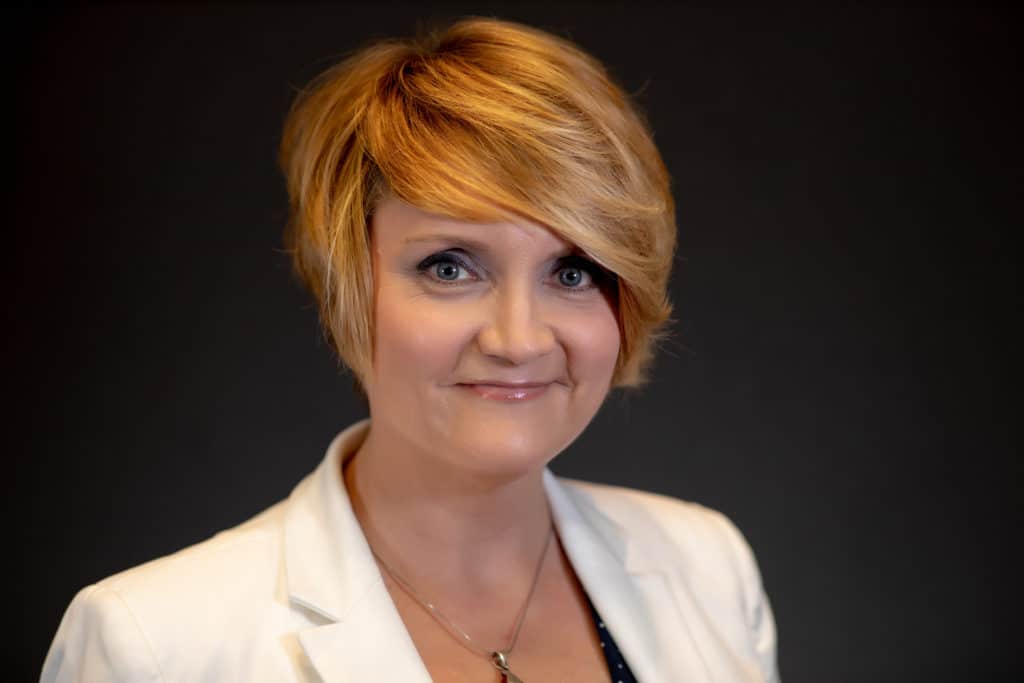
Stephanie Thum, CCXP

Why we need to think about customers differently

Historically, businesses and government agencies have viewed customers as a source of business risk. These themes can easily take center stage in leadership and management discussions, positioning customers as adversaries. Stephanie shares that while it’s important to recognize and manage risk, organizations must also view customers for what they are: real people. Through humanizing customers, organizations can position customers as partners and remind themselves of who and what they are working for.

How to influence the mindset shift

Making that change, however, is easier said than done. Fortunately, Stephanie has shared some practical and engaging ways to initiate the shift:

  • Democratize the data – share customer experience data in a widespread manner throughout your organization in a way that creates a reaction from people. Even if the reactions aren’t what you had hoped for, the purpose is to get people regularly talking about customers, as they would profit, staffing, technology, etc. There are endless ways of sharing data, such as circulating survey results or playing a call recording at a team meeting and then troubleshooting experience solutions.
  • Start a conversation through a story – share stories about real customer experiences. Storytelling has been a part of the human experience since time immemorial. Customer anecdotes not only humanize quantitative data, they also help people relate back to their own personal customer experiences.
  • Include customers in the business – bring customers into your organization’s activities. Customers aren’t outsiders to your business, they are part of it. Look for opportunities to include customers in advisory boards, speak at company events or attend customer appreciation days. This will bridge the divide between employees and customers, and may help surface ideas on how to improve products or experiences.

Transcript

Prefer to read? Here’s the transcript.

Click to expand full transcript

Welcome to Decoding the Customer, a podcast about customer experience and how to realize customer-centric change in today’s dynamic business world. I’m Julia Ahlfeldt, certified customer experience professional, business advisor, and host of this program. Thanks so much for tuning in. If you’re new to the show, welcome.

If you’re a returning listener, thanks, and it’s great to have you back. This episode is part of my CX Mini Masterclass series here on Decoding the Customer. These weekly episodes are published each Thursday and designed to be punchy, bite-sized overviews of key customer experience concepts and ideas for how you can help your organization thrive through customer centricity. Whether you’re new to the field of customer experience, are preparing for the CCXP exam, or are a seasoned professional looking to brush up on a few basics, this series will help you improve your knowledge, skills, and performance to stand out as a CX professional.

This is episode 45, and today I have another mini masterclass presented by a leading customer experience expert. In this episode, Stephanie Thum joins us. Like many others in the field of customer experience, Stephanie has found her calling through CX work. She’s a CCXP and is one of the founding members of the Customer Experience Professionals Association.

She’s remained closely involved with the association, even spending some time as part of the association staff team. In her career as a Customer Experience Practitioner, she’s amassed deep expertise for her diverse professional background. She’s had the opportunity to drive customer-centric change within government. And while she’s known for her background as one of the US federal government’s first agency, CX leads, she’s also been a practitioner and consultant in the B2B world, working with small and mid-sized companies.

The core themes of customer centricity transcend industries and even the public-private sector divide. At the end of the day, the nuances of each unique organization will dictate its path to CX evolution. The more paths we walk, the more we learn. So I’m excited to include Stephanie’s perspectives and expertise here on the show.

In this episode, she makes the case for why customer experience practitioners need to help their organizations flip the script on how they think of customers. And then she takes us through three practical approaches for just how to do this. If you’re wondering how to change the way your organization regards its customers, then stay tuned. And as always, if you happen to be out for a run, cooking dinner or driving to work while you listen to this, and here’s something that you’d like to remember later, don’t worry about writing it down.

You can find an overview of the key concepts that we’ve covered today in the show notes for this episode, which are on my website, juliaahlfeldt.com or decodingthecustomer.com. I’ll also include links to find out more about Stephanie’s work, and how you can get in touch with her. So with that, I’ll let Stephanie take it away. Hi everyone, this is Stephanie Thum.

One of my favorite topics lately has been about how organizations can use customer feedback to get ahead of operational and business risk. The subject is ripe for breakthrough moments because for a long time in business and government, customers have been viewed as a source of business and operational risk. And sometimes with good reason. You have shoplifting, credit risk, and fraud.

And sometimes these things take center stage for senior teams. But times are changing. The modern business world demands that change, and that means CX professionals need to integrate their work into new corners of what’s best for the business of their companies. In today’s business world, if you ask customers the right questions, listen in a different way, and let customers share feedback on their terms, then you’re making the right moves toward finding new sources that can alert you to certain business and operational risks.

Some examples include website vulnerabilities, policy dangers and shortcomings, top hiring losses, confidentiality breaches, safety, expensive marketing missteps, and maybe even potential social media firestorms. A colleague recently asked me a great question about this subject. Here’s what he said, Love the perspective shift of viewing customers as partners rather than the subjects of our investigatory experiments. What first steps would you recommend to try to initiate that shift?

That is a great question. It is a practical question definitely worth exploring because changing your colleagues’ mindsets surrounding how customers are viewed sometimes takes a culture shift. It takes patience and it takes time. And it’s important to know how to influence that change or maybe just validate that what you’re doing already is the right thing.

From where I sit, influencing a shift in perception is about humanizing customers. And here are some inexpensive ways that you can do that. I have three ideas to share with you. First idea, democratize the customer experience and operational data or what we sometimes refer to as X and O data.

Now democratize the data simply means you share customer experience data in a widespread manner throughout your organization in a way that creates a reaction from people. It doesn’t really matter if it’s the reaction you hoped for initially, because the purpose is to put customers in the company’s conversations the same way profits, expenses, staffing and technology get airtime internally. So here are some ideas. Play a contact center recording at a team meeting.

Put up a chart of your company’s progress toward reducing customer wait times at the next town hall meeting. Set up a page on your company’s intranet site, where you can post customer survey results or maybe even their testimonials. Maybe even share survey findings with your organization’s board of directors or advisory committee. My second idea, simply start a conversation.

So much of the customer experience work at any organization is about socializing concepts, especially if you’re just getting started. So share a customer anecdote with your colleagues over lunch or maybe happy hour drinks. It may sound so simple, but anecdotes humanize quantitative data. And almost everyone has a story of how a customer’s life has been impacted by the work of their agency or company.

The good news is the person you share a customer story with probably has a story of their own that they can share with you as well. And here’s some more good news. Having a conversation is completely free. So this is one of those things that’s okay to make a habit.

Third idea, include customers in the business. I’m talking about inviting the actual live human beings who are your customers to be part of your company’s activities. Ask customers to participate on advisory boards, in a customer appreciation day, or as a speaker at a conference or a special event. In my past life in B2B CX, my firm brought the CEO of a priority account into planning meetings where we talked about how we wanted to expand our opportunities with his company and it worked.

A colleague also created a client advisory board for a law firm where he worked to bring more client-oriented context to the firm’s regular business and personnel things. During my time in government, we held roundtables in conjunction with the agency’s annual conference, where more than 1,000 customers and intermediaries gathered each year. We made the most of that event by further involving customers. Customers aren’t outsiders to your business, they’re part of your business, and without their stories and experiences being part of the day-to-day business conversation, you really don’t have the full picture of your company’s risks and opportunities.

But changing the mindsets of your fellow executives can require time and attention and patience. But the work is most certainly worth doing. Thanks for listening. So there you have it.

Special guest Stephanie Thum making the case for why we need to shift perceptions and humanize the way we think of customers. It sounds simple, but this shift can profoundly change the way leaders and employees approach strategy and planning. A summary of Stephanie’s practical tips for how to do this will be available in the show notes for this episode, along with a link to Stephanie’s ebook and information on how to get in touch with her. If you’re on Twitter, Stephanie’s handle is at Stephanie Thum.

She’s active on this platform and is always sharing great gems and insights.

I’ll be back next Thursday with another episode of Decoding the Customer. If you’d like to get in touch in the meantime, you can send me an email, tweet, or LinkedIn message.

My handle is at Julia Ahlfeldt, and my full contact details are also listed on my website, juliaahlfeldt.com or decodingthecustomer.com.

Want to keep learning about CX?

If you’d like to check out more of these CX Mini Masterclasses or listen to my longer format CX expert interviews, check out the full listing of episodes for this CX podcast.

Decoding the Customer is a series of customer experience podcasts created and produced by Julia Ahlfeldt, CCXP. Julia is a customer experience strategist, speaker and business advisor. She is a Certified Customer Experience Professional and one of the top experts in customer experience management. To find out more about how Julia can help your business achieve its CX goals, check out her customer experience advisory consulting services (including customer insights, CX measurement, leadership alignment and CX change implementation) or get in touch via email

Julia Ahlfeldt

Author Julia Ahlfeldt

Julia Ahlfeldt CCXP is a customer experience strategist, keynote speaker, and host of the Decoding the Customer podcast. She helps leaders turn AI-era customer experience into measurable business impact.

More posts by Julia Ahlfeldt