
MasterclassesPodcasts

Moments of Truth: CX Mini Masterclass – E46

By July 25, 2019 June 4th, 2026 No Comments
This CX Mini Masterclass explains customer “Moments of Truth”. Show host and customer experience expert, Julia Ahlfeldt, shares where the concept came from, and how you can use your understanding of Moments of Truth to improve customer journeys and foster loyalty. These moments can make or break a customer journey, so if you’ve heard this term used as a buzzword, but want to learn how to translate jargon into business results, then this episode is for you.


Moments of Truth

Just like the term “touchpoint”, “Moment of Truth” (MOT) is another one of the super popular CX buzzwords. I hear it used to describe all sort of things, often incorrectly. (Check out Episode 16 for an overview of what touchpoints really are!) The good news is that the concept of the Moment of Truth is one that has been around for a while and has a pretty clearly documented meaning. This concept was coined by Jan Carlzon, the former CEO of Scandinavian Airlines. He spoke of these as “any time a customer comes into contact with a business, however remote, they have an opportunity to form an impression.”

Within this broad definition there are especially crucial moments of truth along the journey. These crucial moments happen when a customer has invested a lot of time, energy, money or emotion in a particular outcome, and that outcome is about to come to fruition. MOTs have a significant impact on customer sentiment or satisfaction. We can even think of them as a sort of “tipping point” for the journey.

Within the airline example, the check-in counter experience is a quintessential crucial moment of truth. There are so many steps that lead up to the day of travel. From booking tickets to packing bags, customers typically invest a lot of time, energy and money in their trip before they even get to the airport. All this time, expectations and emotions are mounting. If the customer is greeted at check in with a friendly smile and a complimentary upgrade because they are a frequent flier, they’ll be floating on cloud 9 all the way to their final destination. If, on the other hand, the check in agent scowls at the customer and informs them they’ve been bounced because the flight was oversold, it would set a horrible tone for their trip. The interactions at the check in counter take just an instant, but it’s so much more than that to the customer.


Identifying the MOTs

Journeys can have multiple moments of truth. To identify the most important MOTs, start by mapping the customer journey and evaluating the accumulation of customer effort along the way, searching for those points when the effort crescendos into an outcome. Another way to look at this is in terms of “jobs to be done”. Most customer journeys involve little achievements along the way to fulfilling some greater need. Look for these smaller achievements, and you’ll also probably find the moments of truth.

In the airline travel journey there are a good handful of key MOTs. Arriving in your seat on the plane and retrieving your bags upon arrival are two other examples of key moments of truth. Each of these moments presents an important emotional fork in the road. The outcomes could reaffirm the customer’s brand loyalty and make their effort seem worth it, or it could leave them upset and erode their relationship with the brand.


Designing key memorable moments

Once CX professionals identify those crucial moments of truth, it’s time to define what good looks like. Organizations should assess the moments through the lens of what they know customers like or dislike, as well as through the lens of their brand’s aspirations.

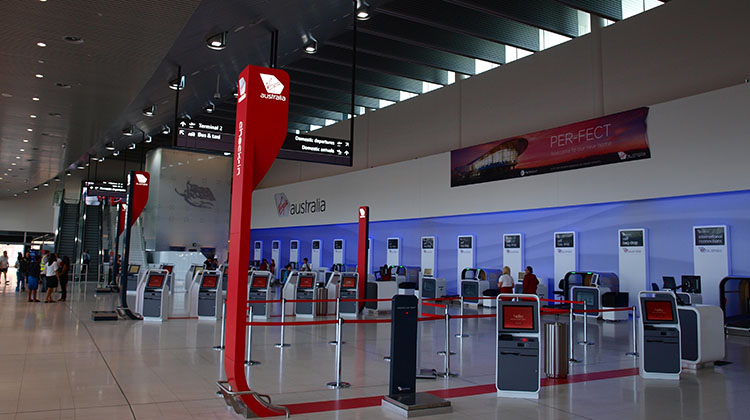
The Virgin branded airlines have really nailed this balance. Their check in experience is seamless, modern and highly digitized with friendly service staff on hand to assist. These are the building blocks of a good check-in experience, but they’ve also added great branded touches like sleek kiosks, red carpets and mood lighting to all of their check-in areas to set the tone and mark the beginning of the customer’s travel journey with them. Memorable MOTs will look different for each brand and journey, but CX professionals can take inspiration from these best in class examples.
 

Related image
Virgin Australia’s check-in counter in Perth


Virgin America’s former check-in area in Dallas


Transcript

Prefer to read? Here’s the transcript.

Click to expand full transcript

Welcome to Decoding the Customer, a podcast about customer experience and how to realize customer-centric change in today’s dynamic business world. I’m Julia Ahlfeldt, certified customer experience professional, business advisor, and host of this program. Thanks so much for tuning in. If you’re new to the show, welcome.

If you’re a returning listener, thanks, and it’s great to have you back. This episode is part of my CX Mini Masterclass series here on Decoding the Customer. These weekly episodes are published each Thursday and designed to be punchy, bite-size overviews of key customer experience concepts and ideas for how you can help your organization thrive through customer centricity. Whether you’re new to the field of customer experience, are preparing for the CCXP exam, or are a seasoned professional looking to brush up on a few basics, this series will help you improve your knowledge, skills, and performance to stand out as a CX professional.

If you’re keen to do some more intensive online training in the field of customer experience, stay tuned at the end of this episode for an exclusive listener discount code from our show sponsor, CX University. This is episode 46. During the month of July, the show has been focusing on a lot of topics related to change. I’ve had the opportunity to bring in some great guest experts.

But this episode, I’m back on the mic and bringing you a deep dive into a topic that is one of the most important catalysts for change. Not change within companies or organizations, but change with customers. And this, my friends, is the moment of truth. A moment of truth is a make or break point in the customer journey.

Moments of truth can flavor the tone of an entire journey, or even a customer’s relationship with a brand. So if we understand these moments, we’re better equipped to manage and deliver great journeys. In this episode, I’m going to explain the definition of a moment of truth, share with you where the concept came from, and explain how you can use your understanding of moments of truth to improve customer journeys and foster loyalty. If you’ve heard this term used as a buzzword and want to learn how to translate jargon into business results, then stay tuned.

As always, if you’re out and about while listening to this episode, and here’s something that you’d like to remember later, don’t worry about writing it down. You can find an overview of the key concepts that we’ve covered today in the show notes for this episode which are on my website, julia-ahlfeldt.com or decodingthecustomer.com. The moment of truth is another one of these super popular customer experience buzzwords. I hear it used to describe all sorts of things, but just like the term touch point, I find that it’s mostly used incorrectly.

The good news is that the concept of the moment of truth is one that’s been around for a while, and it’s one that has a pretty clearly documented definition. This concept was coined by Jan Carlzon, the former CEO of Scandinavian Airlines. He spoke of these moments of truth as, any time a customer comes into contact with a business, however remote, they have an opportunity to form an impression. And within this, there are some especially critical moments along the journey that have a particularly significant impact on customer sentiment or satisfaction.

We can think of these moments as a sort of tipping point for the journey. It’s a time when things can go great, or they can go horribly wrong. Now, you might be scratching your head thinking, but how do I identify these critical moments of truth among all the other moments? I define these critical moments of truth as a point along the journey when the customer has invested a lot of time, energy, money, or emotion in a particular outcome, and that outcome is about to come to fruition.

If we stick with the airline example, where this concept originated, we can think about all the steps that lead up to the day of travel. You plan a trip, research flights, buy the flights, book your seats, pack your bags, drive to the airport, park, and make it to the check-in counter. Up until that point, you’ve invested a lot of time, energy, and money in your trip. Expectations and emotions have also been mounting.

If you’re greeted with a friendly smile and, oh wait, a complimentary upgrade because you’re a frequent flyer, you’ll be floating on Cloud 9 all the way to your final destination. If, on the other hand, the check-in agent scowls at you and informs you that you’ve been bounced because the flight was oversold, it would set a horrible tone for the rest of your trip. The airline check-in experience is a quintessential example of a critical moment of truth. It’s just an instant, but it’s so much more than that to the customer.

As CX professionals, we need to help organizations identify and understand their customers’ moments of truth. Because if we’re going to focus on improving the customer journey, that’s exactly where we should start looking at things. So how do you identify these critical moments of truth among all the others? I’d start by mapping the customer journey and evaluating the accumulation of customer effort along the way.

Looking for those points when the effort crescendos into an outcome. Journeys can have multiple moments of truth. Another way of looking at this is in terms of jobs to be done. Most customer journeys involve little achievements along the way to fulfilling some greater need.

Look for these smaller achievements and you’ll also probably find the moments of truth. In the airline travel journey alone, there are a good handful. Personally, I think that arriving in your seat on the plane and retrieving your bags upon arrival are two other moments of truth, and there are probably more. Each of these critical moments of truth presents an important emotional fork in the road.

The outcomes could reaffirm their choices, make the effort seem worth it, and fortify their brand loyalty, or it could leave them upset and erode their relationship with the brand. Once we identify these moments of truth, it’s time to define what good looks like. Organizations should assess the moments through the lens of what they know customers like or dislike, as well as through the lens of the brand’s aspirations. I think that the Virgin Brand and Airlines have done a fantastic job of this, and anyone who’s flown with them will know exactly what I’m talking about.

Their check-in experience, for example, is seamless, modern, and highly digitized, with friendly service staff on hand to assist. These alone are the building blocks of a good check-in experience. But they’ve also added great branded touches like sleek kiosks, red carpets, and mood lighting to all of their check-in areas. And this sets the tone and marks the beginning of the customer’s travel journey with Virgin.

I’ll admit, I was a little sad when Alaska Airlines bought Virgin America, but the point is that we can take inspiration from these best-in-class examples. So there you have it, Moment of Truth in a nutshell. Thanks for listening today. If you’re enjoying the show, please share the program with others, or head on over to iTunes and rate the podcast.

This helps others find the show. I’ll be back next Thursday with an interview episode, and there will be more mini master classes to follow each Thursday in August. Be sure to tune in or subscribe to the show for updates when new episodes go live. Are you keen to do some more intensive online training in the field of customer experience?

If so, I’d encourage you to check out CX University. They offer a broad array of e-learning options that you can access anywhere and anytime. Their offering includes practice tests for the CCXP exam, and they are a Customer Experience Professionals Association, accredited resource and training provider, meaning that their materials have been reviewed and vetted by the association for alignment with the six core competencies that are in the exam. And what’s better is that all this is available on a flexible monthly subscription plan, meaning that you don’t have to fork over hundreds of dollars to get started.

As of the time of publishing this episode, plans including CX courses and practice exam questions start at just $75 per month. And listeners of this podcast can use the discount code PODCAST10 to get 10% off the first month subscription and help support the show. I’ll be back next Thursday. If you’d like to get in touch in the meantime, you can send me an email, tweet, or LinkedIn message.

My handle is at Julia Ahlfeldt, and my full contact details are also listed on my website, julia-ahlfeldt.com or decodingthecustomer.com.

Want to keep learning about CX?

If you’d like to check out more of these CX Mini Masterclasses or listen to my longer format CX expert interviews, check out the full listing of episodes for this CX podcast.

And if you are looking to super-charge your CX skills and continue learning, be sure to check out CX University. They have a great array of CXPA accredited training resources available on a flexible monthly subscription plan. Use the code PODCAST10 to get 10% off your first month’s subscription and support this podcast.

Decoding the Customer is a series of customer experience podcasts created and produced by Julia Ahlfeldt, CCXP. Julia is a customer experience strategist, speaker and business advisor. She is a Certified Customer Experience Professional and one of the top experts in customer experience management. To find out more about how Julia can help your business achieve its CX goals, check out her customer experience advisory consulting services (including VOC research and customer insight) or get in touch via email


Julia Ahlfeldt

Author Julia Ahlfeldt

Julia Ahlfeldt CCXP is a customer experience strategist, keynote speaker, and host of the Decoding the Customer podcast. She helps leaders turn AI-era customer experience into measurable business impact.

More posts by Julia Ahlfeldt